Alexandrite
Brazil, India, Russia · 63 specimens · 2.1ct avg

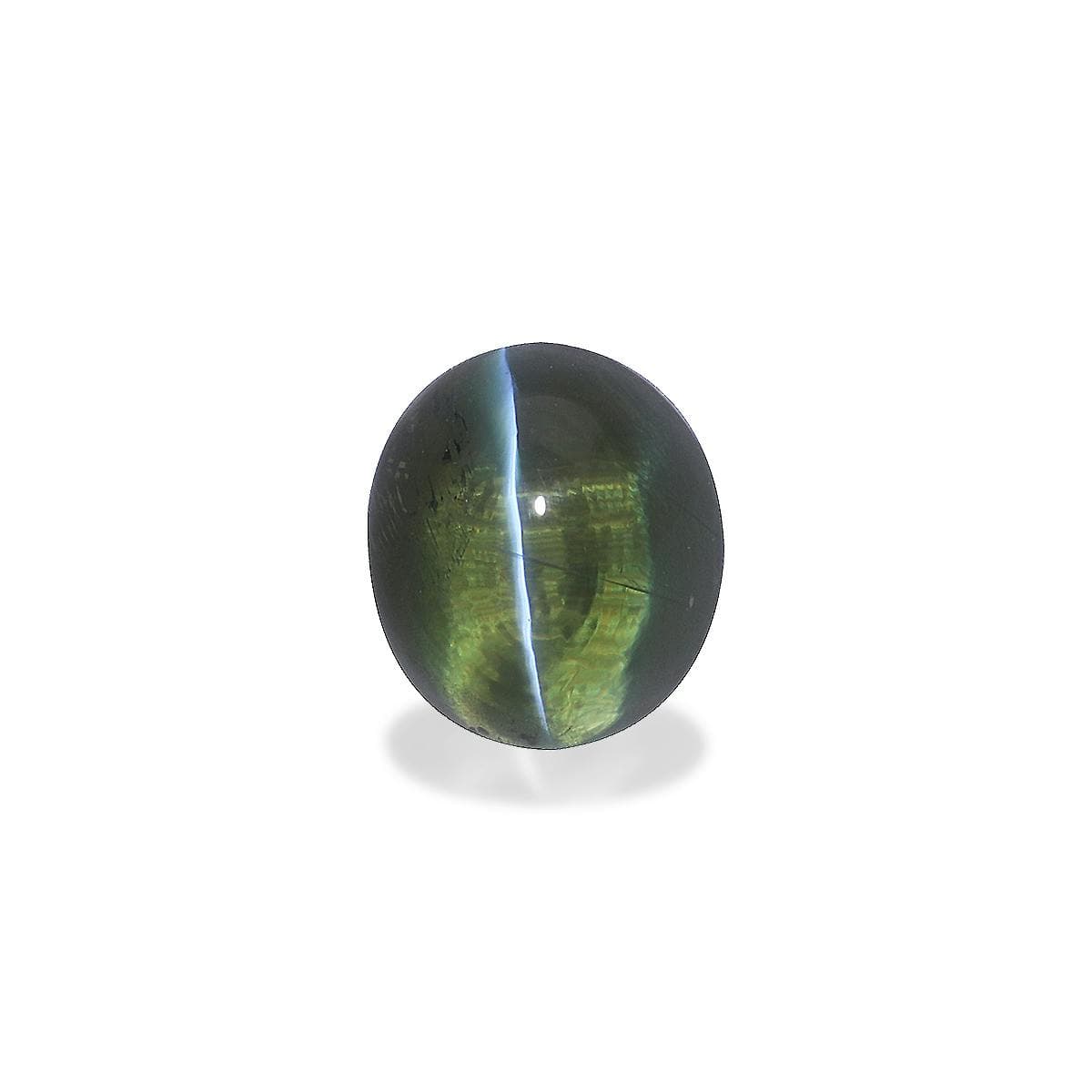


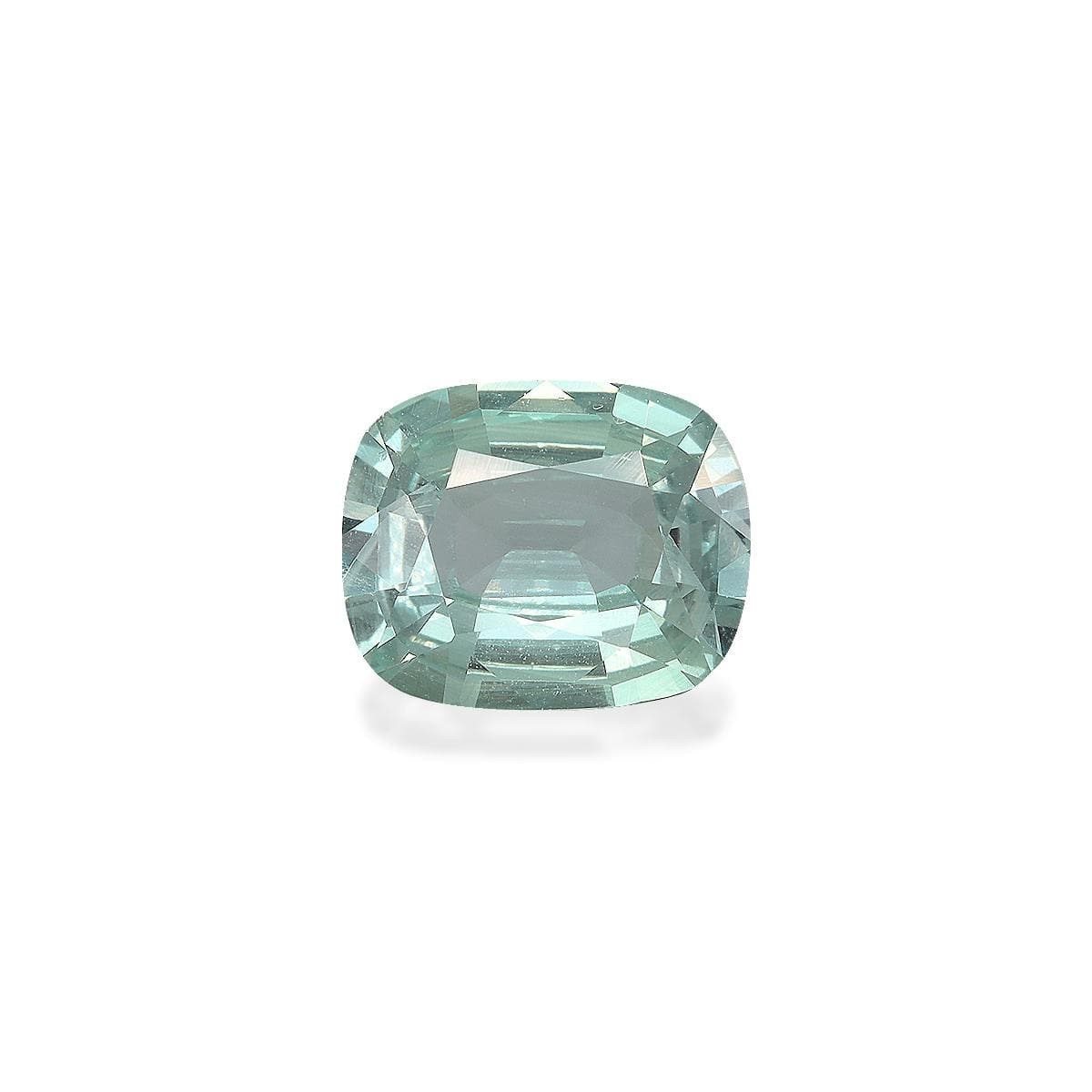
Alexandrite is renowned for its remarkable color-changing properties, exhibiting hues of green in daylight and red under incandescent light. It has a hardness of 8.5 on the Mohs scale, making it suitable for various jewelry applications, and is commonly cut into oval and cushion shapes to enhance its unique optical effects.
Price History
Quality Tiers
Listings
Specimen Data
Value Drivers
Carat weight significantly influences Alexandrite pricing, with larger stones commanding premium prices. The median price per carat is $5,668, but exceptional larger specimens can reach over $50,000 per carat.
Color is a critical factor in Alexandrite pricing, with the most valuable stones displaying a vivid green to bluish-green in daylight and a rich red to purplish-red in incandescent light. The intensity and clarity of these colors can greatly enhance value.
Clarity plays a significant role in determining the value of Alexandrite, as stones with fewer inclusions are more sought after. While some inclusions are tolerated, higher clarity stones fetch significantly higher prices.
The cut of Alexandrite affects its brilliance and overall appearance, with well-executed cuts enhancing its color-changing properties. Shapes that maximize light return and color visibility, such as oval and cushion cuts, tend to be more valuable.
Market Dynamics
The current supply of Alexandrite is limited, with notable sources including India, Brazil, and Russia. The majority of high-quality stones originate from India, which has seen a decline in production, further tightening supply.
Demand for Alexandrite is driven by its unique color-changing properties, making it a favorite among collectors and investors. Additionally, its rarity and historical significance in jewelry design contribute to its allure.
Recent market trends indicate growing interest in Alexandrite, particularly as a collector's item. The imposition of tariffs on Indian diamonds may also influence the broader gemstone market, including Alexandrite.
News
Insights
The median price per carat for Alexandrite is $5,668, while the mean price is significantly higher at $7,940.
The price range for Alexandrite varies widely, with listings spanning from $857 to $16,590 per carat.
Untreated Alexandrite stones tend to command higher prices, reflecting their desirability among collectors.
The majority of Alexandrite listings are from India, which remains the top origin for this gemstone.
Specimens showing 80%+ change (from teal/green to purple/red) command significant premiums
Known as an 'emerald by day, ruby by night'
Have a Alexandrite?
AI identification, grading, origin detection & market valuation