Aquamarine
Brazil, Pakistan, Nigeria · 163 specimens · 10.6ct avg
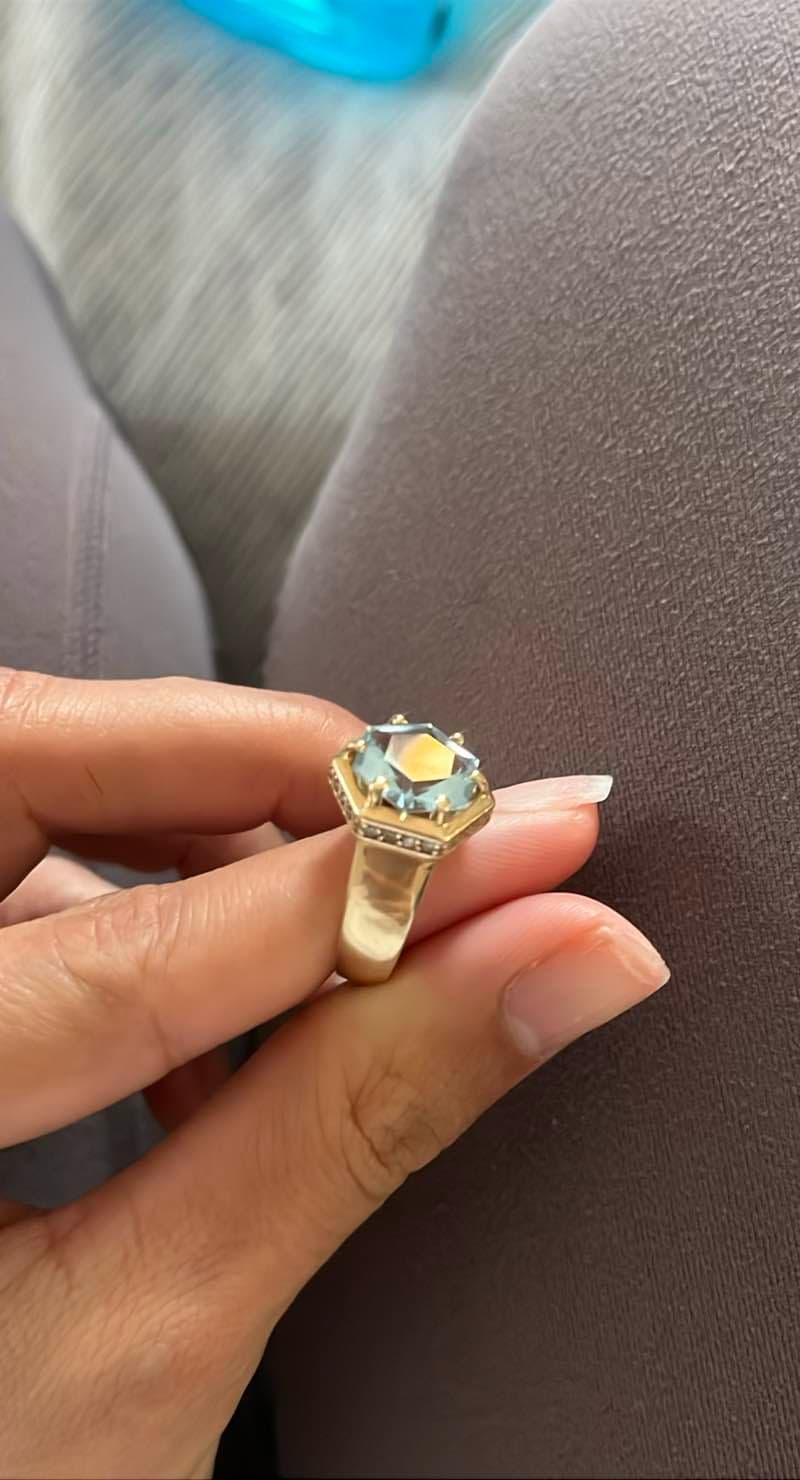


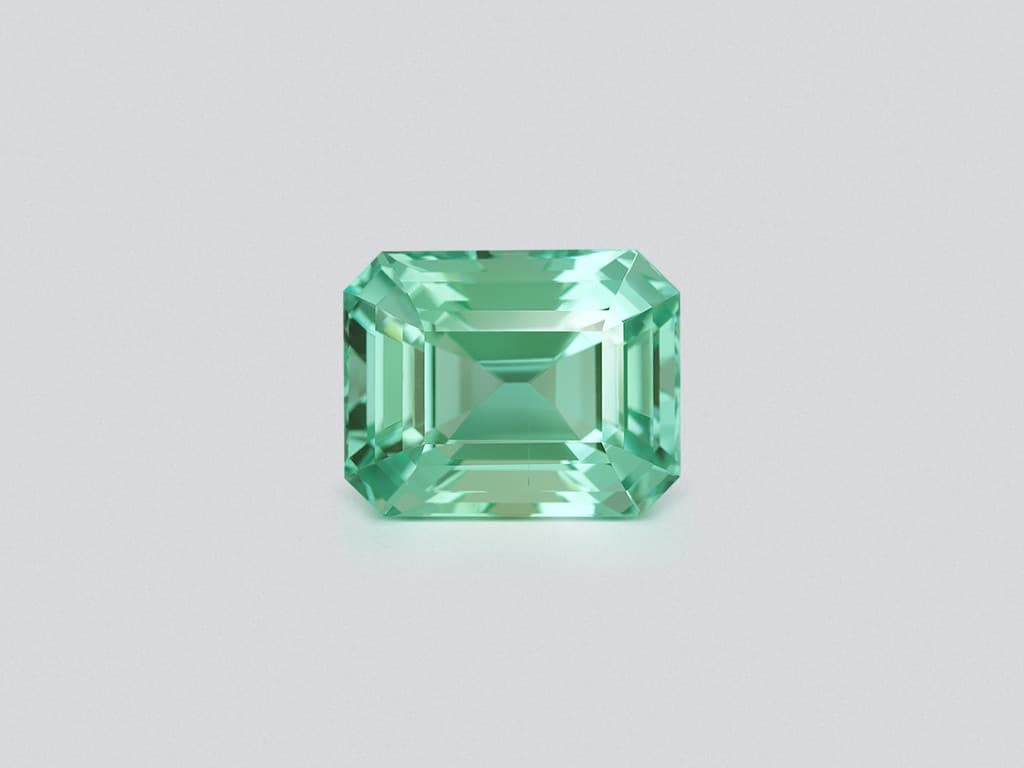


Aquamarine is known for its serene blue to blue-green hues, reminiscent of the ocean. With a hardness of 7.5 to 8 on the Mohs scale, it is durable and suitable for various jewelry applications. Common cuts include emerald, oval, and round, which enhance its clarity and color.
Price History
Quality Tiers
Listings
Specimen Data
Value Drivers
Aquamarine pricing tends to increase with carat weight, though the median price per carat is $466, while larger stones can command significantly higher prices, as seen in listings reaching over $3,000 per carat for weights around 1 to 4 carats.
Color is a crucial factor in determining aquamarine's value, with the most desirable shades being a deep, vivid blue. Lighter hues tend to be less valuable, while stones with a strong blue saturation can see prices rise significantly.
Clarity plays a significant role in aquamarine pricing, as higher clarity stones are more sought after. While some inclusions are tolerated, cleaner stones fetch higher prices, especially in the luxury market.
The quality of the cut can greatly influence aquamarine pricing, with well-executed cuts enhancing the stone's brilliance and color. Poorly cut stones may appear dull and are typically valued lower.
Market Dynamics
Aquamarine is primarily sourced from Brazil, which accounts for the largest share of the market. Other notable origins include Africa and Madagascar, but the overall supply remains stable, with a variety of qualities available.
Demand for aquamarine is driven by its popularity in fine jewelry, particularly among luxury brands and collectors. The stone's calming color and association with tranquility make it a favored choice for both personal and investment purposes.
Aquamarine prices have shown a slight upward trend recently, reflecting increased luxury demand. Additionally, potential new tariffs on colored gemstones could impact future pricing and availability in the U.S. market.
News
Insights
The median price per carat for aquamarine is $466, indicating a broad range of affordability.
High-quality aquamarine from Brazil is currently the most sought after, with 66 listings from this origin.
Recent reports indicate a 5.0% increase in aquamarine prices over the last month, driven by luxury market demand.
Potential new tariffs on Brazilian imports could lead to increased prices for consumers in the near future.
Aquamarine has a long history in Art Deco and mid-20th-century jewelry, where large, pale blue stones were used in bold, geometric designs.
The same mineral family includes emerald and morganite, allowing designers to create multi-colored beryl suites that highlight different hues within a single species.
Have a Aquamarine?
AI identification, grading, origin detection & market valuation