Chalcedony
Namibia, Turkey, USA · 3 specimens · 4.4ct avg


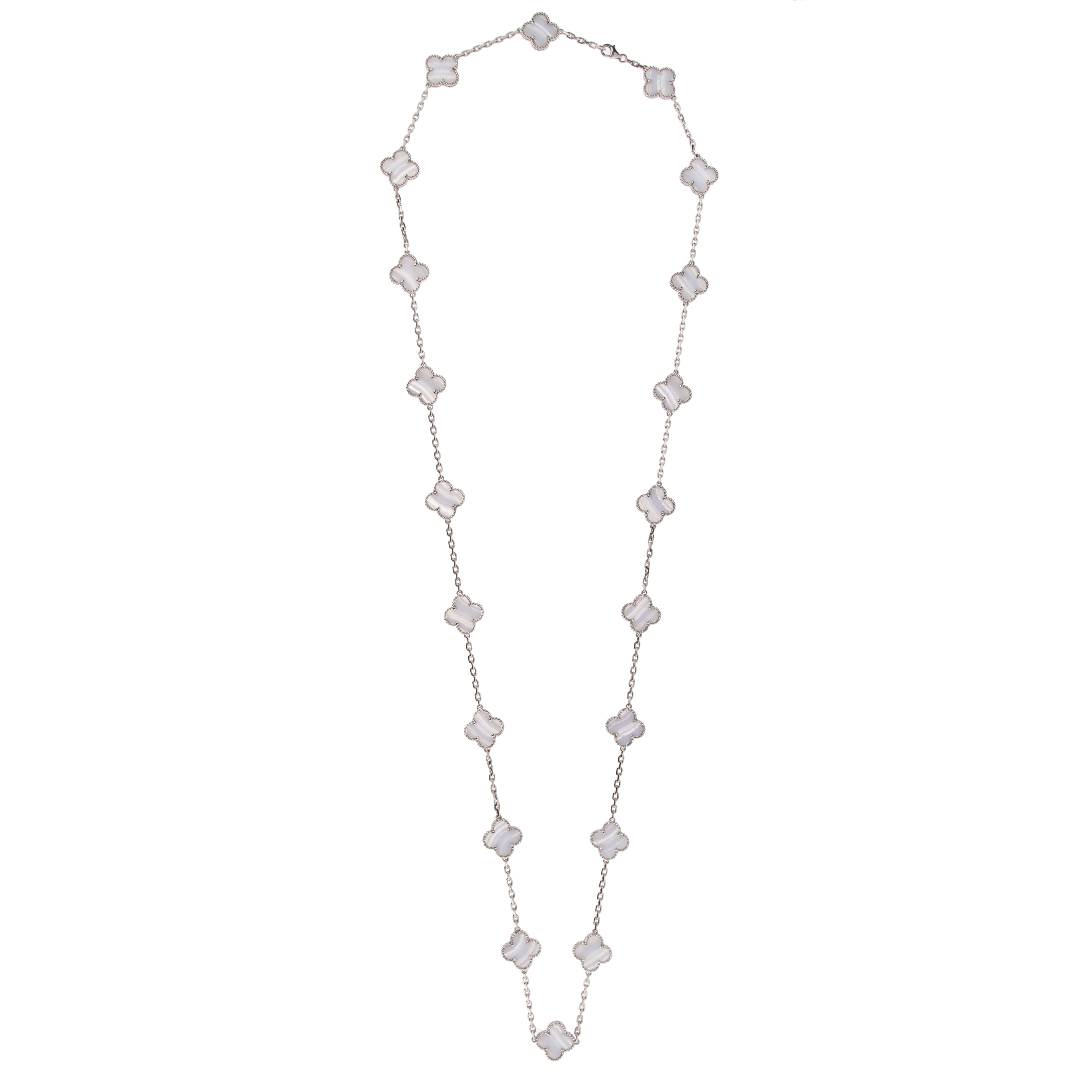
Chalcedony is a cryptocrystalline form of silica, known for its smooth texture and range of colors, including blue, white, and gray. It typically exhibits a waxy luster and is often cut into cabochons or beads, enhancing its natural beauty.
Price History
Listings
Specimen Data
Value Drivers
Larger carat weights tend to command higher prices, as evidenced by the price range of $2 to $250 per carat. However, the median price of $29 per carat indicates that smaller stones can still be quite accessible.
Color significantly influences Chalcedony pricing, with vibrant blues and rich greens typically fetching higher prices. Unique color variations can create niche markets, especially for collectors.
Clarity plays a role in pricing, with eye-clean stones generally valued higher. Chalcedony can tolerate some inclusions, but clearer specimens are more sought after.
The cut of Chalcedony affects its visual appeal and market value, with well-executed cabochons and beads being more desirable. Shapes that enhance color and clarity can lead to higher prices.
Market Dynamics
Chalcedony is primarily sourced from Brazil, which dominates the market. The current supply remains stable, though fluctuations in demand can impact availability.
Demand for Chalcedony is driven by its use in jewelry, decorative items, and as a collector's stone. Its unique colors and patterns appeal to both casual buyers and serious collectors.
Chalcedony prices have shown a consistent upward trend, with a recent increase of 2.5% indicating growing interest. This stability in pricing suggests a healthy market environment despite mixed signals elsewhere.
News
Insights
The median price per carat for Chalcedony is $29, while the mean price is significantly higher at $89.
The price range for Chalcedony spans from $2 to $250 per carat, reflecting a diverse market.
Brazil is the top origin for Chalcedony, contributing to its availability and pricing dynamics.
Recent market analysis indicates that Chalcedony prices have risen by 11.9% over the past week.
Chalcedony's relatively low cost and ease of carving make it a favorite among lapidary artists for experimenting with new shapes and textures.
Its neutral and pastel tones make chalcedony particularly versatile for modern minimalist and bohemian jewelry designs.
Have a Chalcedony?
AI identification, grading, origin detection & market valuation