Coral
Mediterranean Sea, Japan · 7 specimens · 10.5ct avg

.jpg%3Fmode%3Dmax&w=3840&q=75)
.jpg%3Fmode%3Dmax&w=3840&q=75)

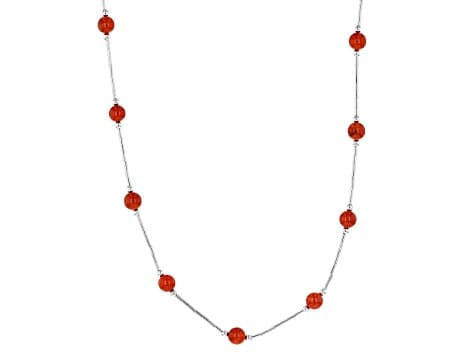
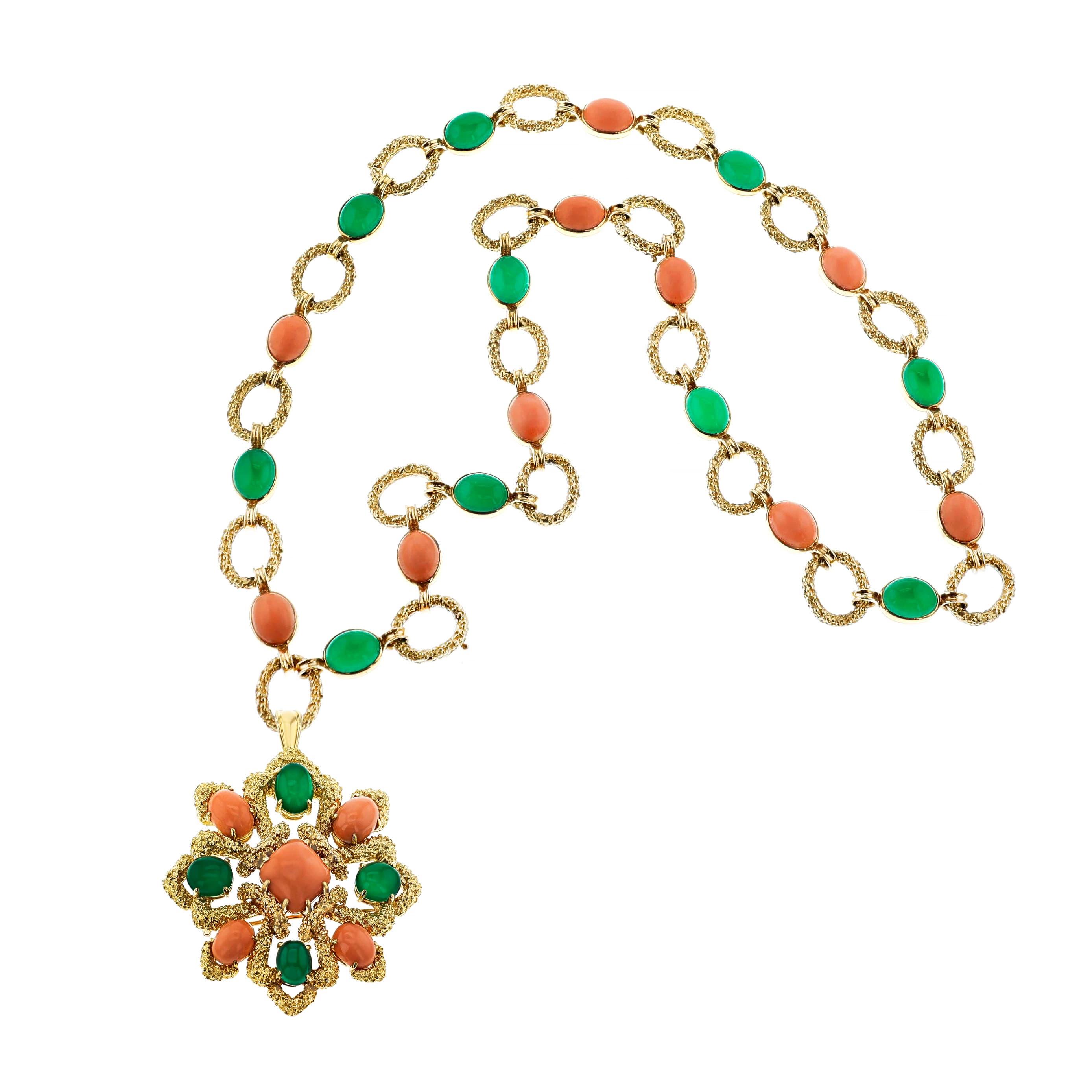
Coral is distinctive for its vibrant colors, ranging from deep reds to pinks and whites. It is a soft organic gemstone formed from the skeletal remains of marine polyps, typically cut into cabochons or beads for jewelry.
Price History
Listings
Specimen Data
Value Drivers
Carat weight has a significant impact on Coral pricing, with larger pieces commanding higher prices. The mean price per carat suggests that while smaller stones can be quite affordable, exceptional larger specimens can reach extraordinary values.
Color is a critical factor in Coral pricing, with deep red and pink hues being the most sought after. Lighter shades may be less valuable, while unique colors can attract premium prices.
Clarity plays a moderate role in Coral pricing, as some inclusions are acceptable in this organic material. However, the most valuable pieces tend to be those with fewer blemishes and a more uniform color.
The cut of Coral can influence its appeal and price, with well-shaped cabochons and beads being more desirable. However, the organic nature of Coral means that cut quality is less critical than in traditional gemstones.
Market Dynamics
The current supply of Coral is influenced by environmental factors and regulations surrounding marine conservation. While Coral is harvested in various regions, the lack of specific origin data complicates assessments of availability.
Demand for Coral is driven by cultural significance, particularly in jewelry and decorative arts. Additionally, its appeal as a collectible item continues to attract both casual buyers and serious investors.
Recent news indicates potential new tariffs on colored gemstones, which could affect Coral prices and availability. As the market adapts, collectors may see fluctuations in pricing and supply dynamics.
News
Insights
The median price per carat for Coral is $100, indicating a broad range of affordability.
The price spread from $25 to $12,157 per carat highlights the diversity in quality and desirability among Coral pieces.
Opaque varieties of Coral are prevalent in the market, often fetching lower prices compared to more translucent options.
The recent increase in tariffs on colored gemstones could lead to higher consumer prices and impact market dynamics.
In some cultures, coral beads and amulets are believed to offer protection, fertility or good fortune, driving demand beyond their purely aesthetic value.
High-quality antique coral jewelry from respected houses can command substantial premiums at auction due to both craftsmanship and the rarity of comparable modern material.