Diopside
India, Russia · 1 specimens · 10.3ct avg

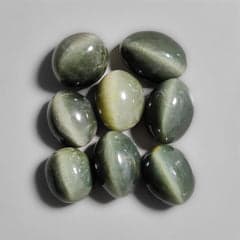

Diopside is a calcium magnesium silicate pyroxene that in gem form occurs in green, brown, colorless and other hues, with chrome diopside representing the vivid green chromium-bearing variety. With Mohs hardness about 5.5–6.5 and good transparency in gem material, it is used in jewelry but requires some care in high-wear pieces.
Price History
Listings
Specimen Data
Value Drivers
For standard green and other diopside varieties, carat weight is a moderate value driver, with larger clean stones above 3–5 carats becoming more desirable, especially in rich colors. Extremely large, fine stones are less common and attract collector interest.
Color is the main value factor: bright, medium-toned green stones with good saturation are favored, while very dark or overly yellowish stones are less prized. Other colors, such as golden-brown or violetish tones from certain localities, can be attractive but have smaller niche markets.
Fine diopside is usually expected to be eye-clean; noticeable inclusions or surface-reaching fractures can diminish brilliance and durability. However, some included stones with interesting patterns may be cut as collectors' cabochons.
Diopside is typically cut into ovals, rounds and emerald cuts that preserve color and reduce the risk of cleavage-related damage. Good cutting that maintains brightness and avoids overly deep or dark stones is important, particularly for green material that can blacken if cut too deep.
Market Dynamics
Diopside occurs in many mafic and ultramafic rocks worldwide. Gem-quality material is mined in Russia, Pakistan, India, Madagascar and other regions, often as a by-product of other gemstone production.
Demand is steady but modest compared with major gem species, with green diopside used as an affordable alternative to more expensive green stones. It is popular in silver and mid-market gold jewelry, as well as in metaphysical circles.
Television and online jewelry channels have helped maintain awareness of diopside, particularly chrome diopside, which has supported stable pricing for better-quality material.
News
No news coverage yet
Insights
Diopside's name reflects its typical two prominent cleavage directions (‘di' for two and ‘opsis' for face).
Star diopside, exhibiting a four-rayed star due to needle-like inclusions, is cut en cabochon and has a niche collector following.
Chrome diopside is often marketed separately because of its vivid emerald-like green.
Because of moderate hardness, diopside can exhibit facet edge wear over time in rings if not treated carefully.
Some diopside crystals are prized as mineral specimens, particularly those with well-formed prismatic shapes and good color.
In the broader gemstone market, diopside remains undervalued relative to its appearance, offering good visual impact at accessible prices.
Have a Diopside?
AI identification, grading, origin detection & market valuation