Emerald
Colombia, Zambia, Brazil · 934 specimens · 6.1ct avg
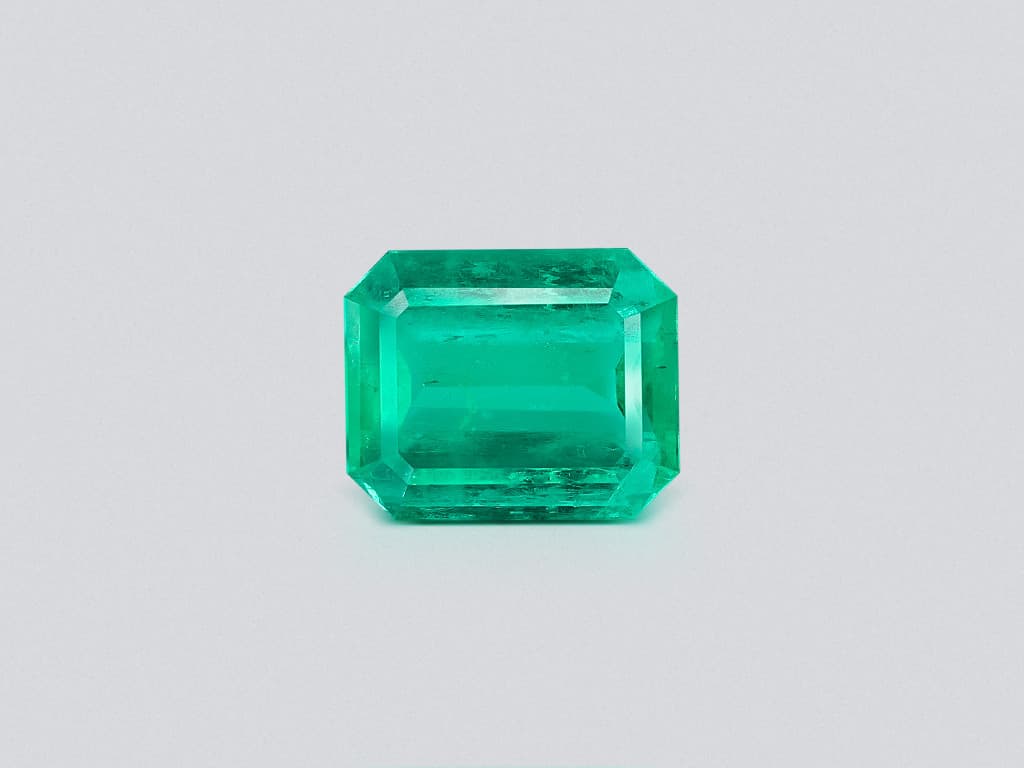

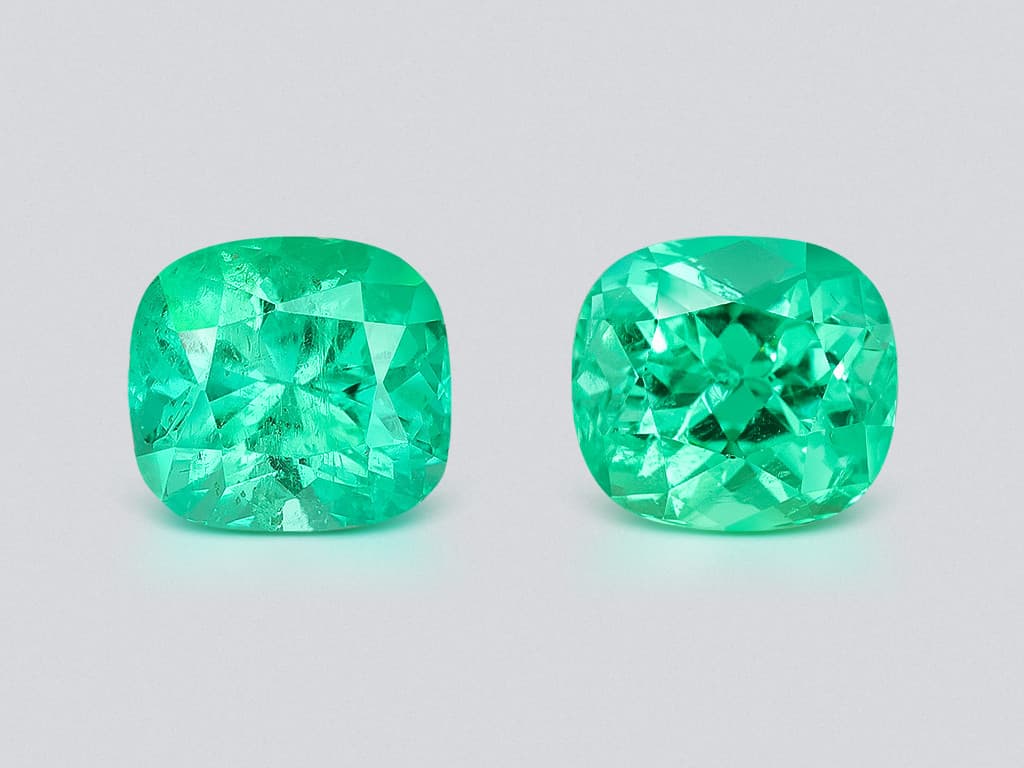

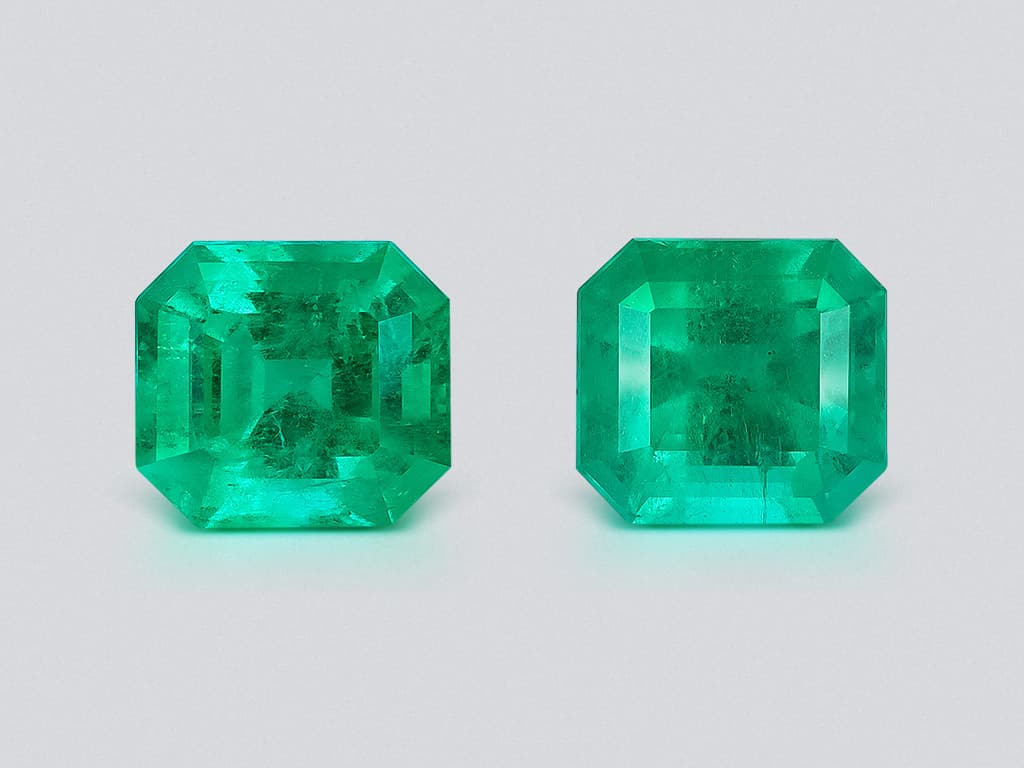

Emeralds are renowned for their vibrant green color, which can range from light to deep shades, often influenced by the presence of chromium and vanadium. They are relatively soft compared to other gemstones, with a hardness of 7.5 to 8 on the Mohs scale, and are commonly cut into oval, pear, or emerald shapes to enhance their color and brilliance.
Price History
Quality Tiers
Listings
Specimen Data
Value Drivers
Emerald pricing tends to increase with carat weight, but the relationship is not linear. The median price per carat is $4,282, while larger stones can command significantly higher prices, as seen in recent listings where exceptional examples exceed $70,000 per carat.
Color is a critical factor in emerald pricing, with the most desirable stones exhibiting a vivid, saturated green. Colombian emeralds, in particular, are highly sought after for their rich hue, often fetching premium prices compared to stones from other origins.
Emeralds typically contain inclusions, which are often accepted as part of their character. However, stones with fewer inclusions, especially those labeled as untreated, can command significantly higher prices.
The cut of an emerald influences its overall appearance and value, with well-executed cuts enhancing the stone's color and brilliance. The classic emerald cut is favored for its ability to showcase the gem's unique color while minimizing the visibility of inclusions.
Market Dynamics
The current supply of emeralds is heavily dominated by Colombian stones, which account for the majority of listings. Other origins, such as Zambia and Brazil, contribute to the market but in much smaller quantities.
Demand for emeralds is driven by their cultural significance, particularly in jewelry design, where they are favored for their striking color. Additionally, emeralds are increasingly viewed as investment pieces, attracting collectors looking for unique and high-quality stones.
The emerald market is experiencing heightened demand, particularly for high-end pieces featuring exceptional gemstones. Recent warnings about fraudulent practices in the market may lead to increased scrutiny and could impact pricing dynamics.
News
Insights
The median price per carat for emeralds is $4,282, while the mean price is significantly higher at $6,386.
The price range for emeralds varies widely, with a P10–P90 spread from $373 to $12,501 per carat.
Colombian emeralds dominate the market, making up 692 of the 1838 listings analyzed.
Recent trade alerts regarding fraudulent refilled emeralds may lead to increased regulation and scrutiny in the market.
Synthetic emerald has been commercially available for decades, so proper gemological testing and documentation are important.
High-profile emerald sales at major auctions help anchor price expectations and highlight the importance of provenance and treatment history.
Have a Emerald?
AI identification, grading, origin detection & market valuation