Jade
Myanmar, Canada · 3 specimens · 56.5ct avg

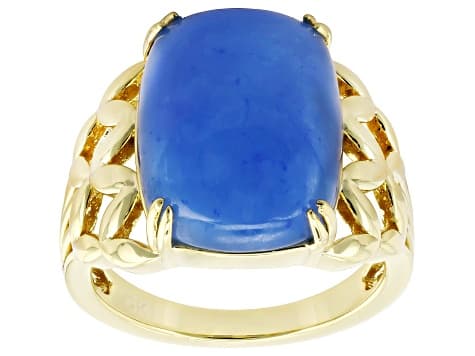


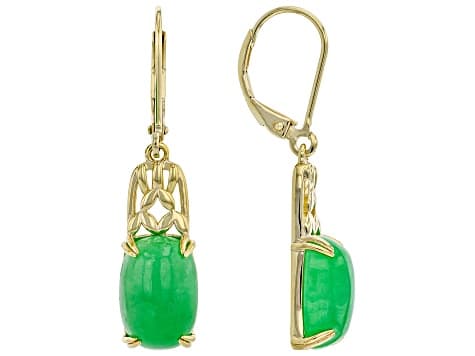
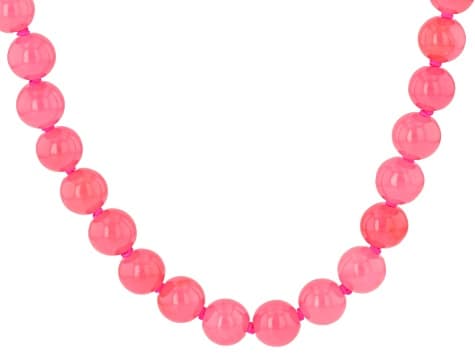
Jade is distinctive for its rich green hues, though it can also appear in a range of colors including white, yellow, and lavender. It is a tough stone, ranking 6 to 7 on the Mohs scale, and is often carved into intricate shapes and designs, with common cuts including cabochons and beads.
Price History
Listings
Specimen Data
Value Drivers
Carat weight significantly influences jade pricing, with larger stones generally commanding higher prices. The median price per carat is $75, but exceptional pieces can reach prices as high as $2,797 per carat.
Color is a critical factor in jade pricing, with vivid green jadeite being the most sought after. Variants like lavender and white jade can also be valuable, but their market demand typically does not match that of the most vibrant greens.
Clarity affects jade pricing, with translucent pieces being more desirable than opaque ones. While some inclusions are tolerated, higher clarity generally results in a premium.
The cut and shape of jade can influence its value, with well-crafted pieces that showcase the stone's color and clarity being more desirable. Unique shapes and intricate carvings can also enhance market appeal.
Market Dynamics
The current supply of jade is under pressure due to recent disruptions in Myanmar, a key source of jade. The tragic landslide at a mine has raised concerns about future availability and pricing stability.
Demand for jade is driven by cultural significance, particularly in Asian markets, as well as its appeal to collectors and investors. Designer pieces and matched sets are increasingly sought after, reflecting a trend toward rarity and uniqueness.
Recent market activity shows a modest increase in jade prices, attributed to growing transparency efforts. However, the recent landslide in Myanmar may lead to supply constraints and further price fluctuations.
News
Insights
The median price per carat for jade is $75, indicating a wide range of pricing based on quality and characteristics.
The mean price per carat is significantly higher at $652, suggesting that exceptional pieces can command premium prices.
The P10-P90 spread in pricing ranges from $8 to $2,797, highlighting the variability in the market.
Recent trends indicate a growing interest in matched sets of jade, particularly bangles, which may drive prices higher.
Jade's exceptional toughness—stemming from its fibrous, interlocking microstructure—explains its long use for tools, weapons and ritual objects in ancient cultures.
High-end jade trading is often relationship-based, with significant emphasis on provenance, trusted dealers and subtle quality distinctions that may not be captured by simple grading systems.