Pearl
Japan, Tahiti, China · 7 specimens · 14.2ct avg

.jpg%3Fmode%3Dmax&w=3840&q=75)

.jpg%3Fmode%3Dmax&w=3840&q=75)

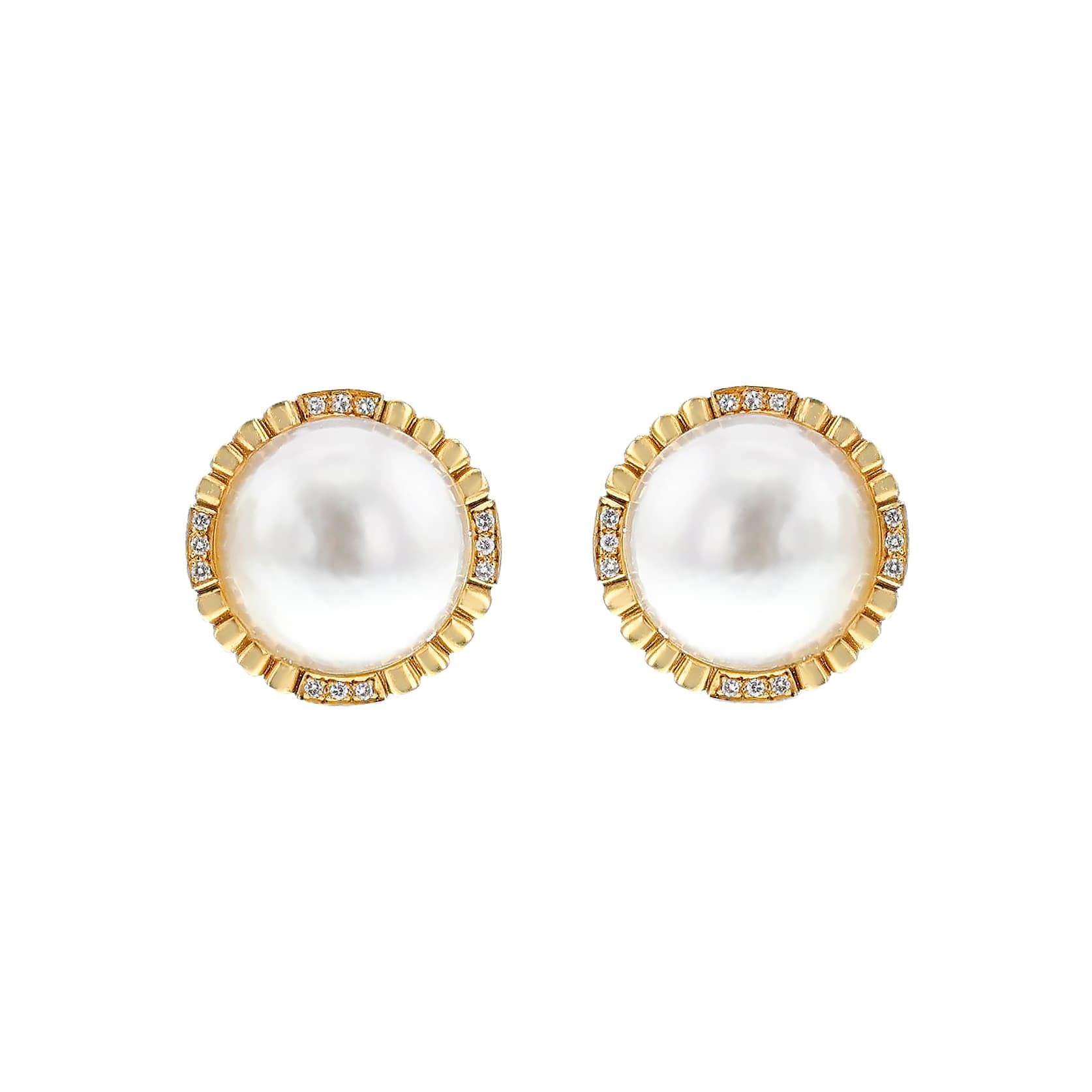
Pearls are unique organic gemstones formed within mollusks, primarily known for their lustrous surface and range of colors from white to black. They are softer than most gemstones, with a hardness of 2.5 to 4.5 on the Mohs scale, and are typically found in round, drop, or baroque shapes.
Price History
Quality Tiers
Listings
Specimen Data
Value Drivers
Carat weight significantly influences pearl pricing, with a median price of $500 per carat and a mean price of $1,659 per carat. Larger pearls tend to command higher prices, as evidenced by the wide price range observed in the market.
Color plays a crucial role in pearl valuation, with shades like deep black or vibrant gold often fetching premium prices. Pearls from specific regions, such as Tahitian pearls, are particularly sought after for their unique color variations.
Clarity is less critical for pearls compared to other gemstones, as some inclusions are tolerated. However, pearls with fewer blemishes and a smooth surface are generally valued higher.
The shape and cut of pearls can affect their pricing, with round pearls typically being the most desirable. Unique shapes, such as baroque pearls, may appeal to niche markets but usually command lower prices.
Market Dynamics
The current supply of pearls is diverse, with notable origins including Thailand and China. The distribution of listings indicates a strong presence of pearls from these regions, although the market also includes lesser-known sources.
Demand for pearls is driven by cultural significance, fashion trends, and increasing interest from collectors and investors. The rise in jewelry sales indicates a growing appreciation for pearls in contemporary designs.
Pearl prices are currently rising, influenced by market instability and concerns over toxic materials in jewelry. Potential new tariffs on colored gemstones and pearls could further impact pricing and availability.
News
Insights
The price range for pearls varies significantly, with listings showing values from $43 to over $25,000 per carat.
Recent investigations into toxic metals in jewelry have led to increased scrutiny and potential shifts in consumer preferences towards safer options.
Jewelry sales in the U.S. rose by 10% in July, indicating a strong market for luxury items, including pearls.
Tariff discussions are ongoing, with potential impacts on the pricing of imported pearls and colored gemstones.
Pearls are sensitive to perfumes, cosmetics and acids; they should be the last item put on and the first taken off to prolong their luster.
X-ray imaging is commonly used in gem labs to distinguish natural from cultured pearls and to analyze internal structure.