Ruby
Myanmar, Mozambique · 611 specimens · 3.3ct avg

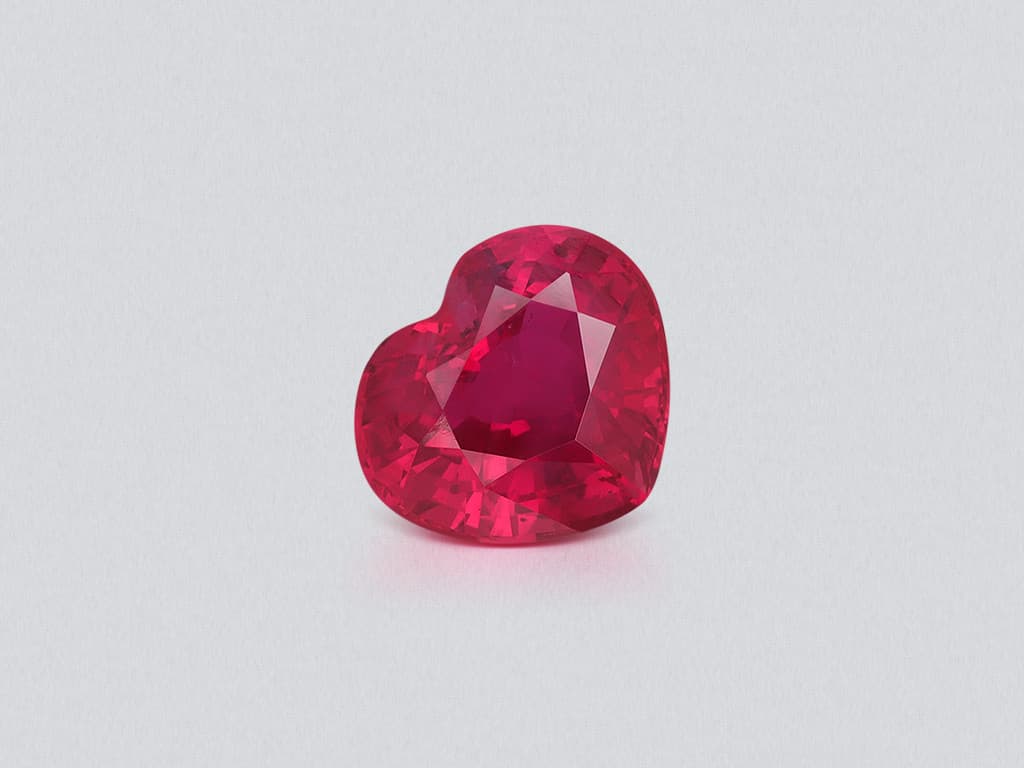


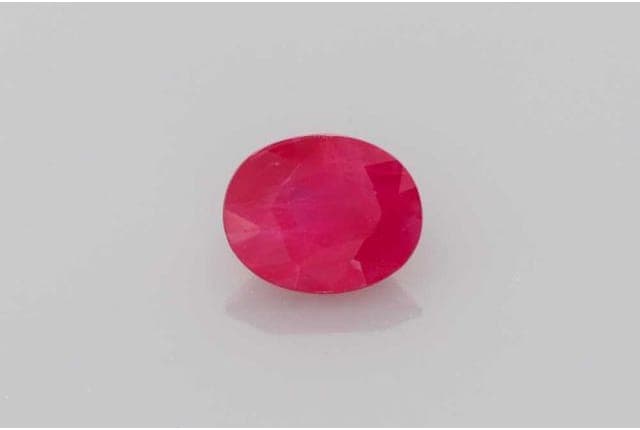
Rubies are renowned for their vibrant red color, which can range from pinkish to deep crimson. They are among the hardest gemstones, scoring 9 on the Mohs scale, and are commonly cut into oval, cushion, and round shapes to enhance their brilliance.
Price History
Quality Tiers
Listings
Specimen Data
Value Drivers
Carat weight significantly influences ruby pricing, with larger stones commanding higher prices per carat. The price distribution shows a wide range, with median prices at $5,155 per carat, but exceptional larger stones can exceed $22,000 per carat.
Color is a crucial factor in ruby pricing, with the most desirable shades being a pure, vivid red often referred to as 'pigeon blood.' Rubies from top origins like Myanmar typically fetch higher prices due to their exceptional color quality.
Clarity plays a role in ruby pricing, though rubies can tolerate more inclusions than other gemstones. Stones with fewer visible inclusions, especially those that are untreated, tend to be valued more highly.
The cut of a ruby affects its brilliance and overall appearance, with well-executed cuts enhancing light performance. Popular cuts like oval and cushion are favored for their ability to showcase the stone's color and clarity.
Market Dynamics
The current supply of rubies is diverse, with significant contributions from Mozambique and Myanmar, among others. However, the market is impacted by geopolitical factors and mining conditions, which can affect availability.
Demand for rubies is driven by cultural significance, investment potential, and the popularity of designer jewelry featuring these gemstones. Collectors and investors alike are increasingly seeking high-quality rubies as part of their portfolios.
The ruby market is experiencing heightened interest, particularly for untreated stones from renowned origins. Recent news regarding supply disruptions in Myanmar could further influence prices and availability.
News
Insights
The mean price per carat for rubies is significantly higher than the median, indicating a strong market for exceptional quality stones.
Mozambique is currently the leading source of rubies, contributing the highest number of listings in the market.
Untreated rubies are particularly sought after, often commanding premium prices due to their rarity.
The price range for rubies is extensive, with listings spanning from $192 to over $150,000 per carat.
Star rubies, showing asterism under direct light, are valued according to star sharpness, color, transparency and carat weight, with fine examples commanding notable prices.
Synthetic rubies have been produced since the early 1900s; identifying treatments and natural vs. synthetic origin is a critical part of modern ruby trade.