Sapphire
Kashmir, Myanmar, Sri Lanka · 4279 specimens · 2.6ct avg
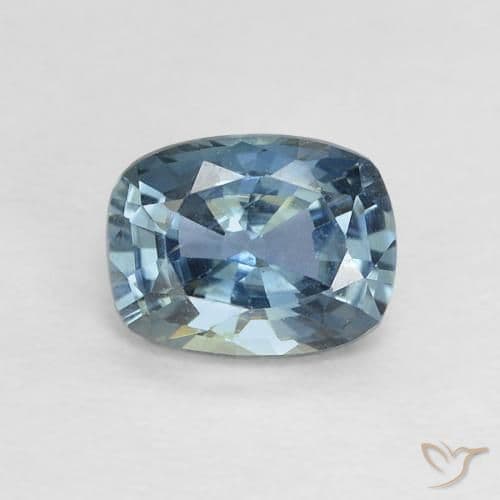


Sapphire is renowned for its rich colors, particularly blue, which can range from deep royal to lighter cornflower hues. It ranks 9 on the Mohs scale of hardness, making it an excellent choice for everyday wear, and is commonly cut into oval, cushion, and round shapes to enhance its brilliance.
Price History
Quality Tiers
Listings
Specimen Data
Value Drivers
Carat weight significantly influences sapphire pricing, with a median price of $180 per carat and a mean price of $1,604 per carat. Larger stones tend to command higher prices, particularly those exceeding 5 carats.
Color is a critical factor in sapphire pricing, with royal blue and cornflower blue varieties fetching premium prices. The Kashmir origin is particularly sought after, often leading to substantial price increases for untreated stones.
Clarity affects sapphire pricing, with higher clarity stones generally commanding better prices. However, sapphires can tolerate some inclusions, especially when they are of exceptional color.
The cut of a sapphire can enhance its visual appeal and overall value, with well-executed cuts maximizing light reflection and brilliance. Shapes like round and cushion are particularly popular among collectors.
Market Dynamics
The current supply of sapphires is diverse, with significant contributions from Tanzania, Madagascar, and Sri Lanka. The market is characterized by a wide range of price points, reflecting the varied origins and qualities available.
Demand for sapphires is driven by their cultural significance, investment potential, and popularity among jewelry designers. High-end pieces featuring exceptional sapphires are particularly sought after in the luxury market.
The sapphire market is experiencing increased demand, particularly for high-quality stones, as evidenced by recent auction successes. Additionally, disruptions in the jade supply chain may indirectly impact sapphire prices as collectors seek alternative investments.
News
Insights
The median price per carat for sapphires is $180, while the mean price is significantly higher at $1,604.
Tanzania is the leading source of sapphires, accounting for over 30% of the listings analyzed.
Kashmir sapphires are among the most valuable, with prices reaching over $100,000 per carat for untreated stones.
The price spread for sapphires ranges from $65 to $4,026 per carat, indicating a wide variety of options for collectors.
Sapphire's durability also makes it a popular material for watch crystals and technical applications, though those typically use synthetic sapphire.
Synthetic sapphire has been available for over a century; careful testing is required to separate natural from synthetic stones in the market.
Have a Sapphire?
AI identification, grading, origin detection & market valuation