Spinel
Myanmar, Tanzania · 125 specimens · 7.3ct avg


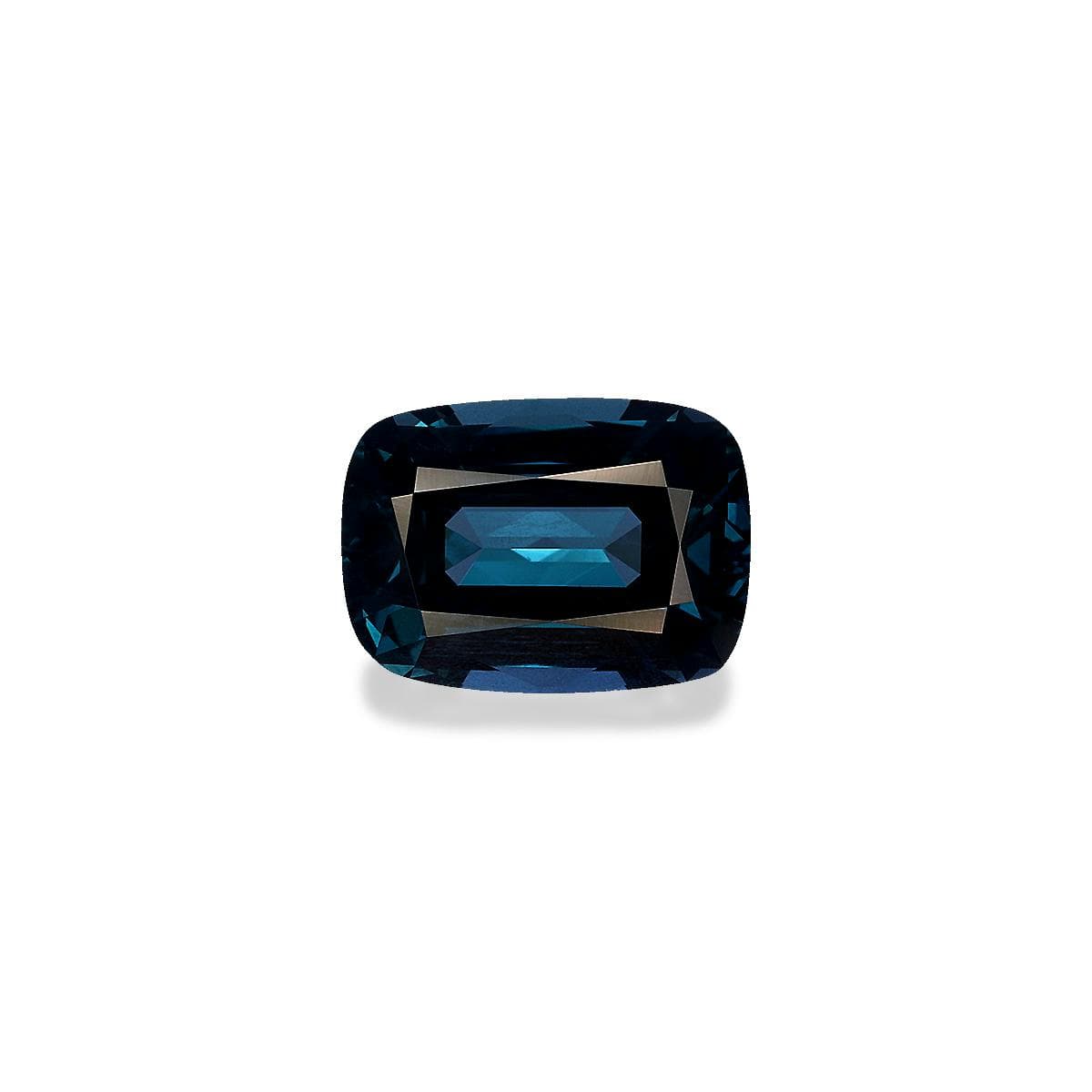


Spinel is known for its vibrant colors, ranging from deep reds to vivid blues and pinks. With a hardness of 7.5 to 8 on the Mohs scale, it is durable and suitable for various types of jewelry, often found in cushion or oval cuts.
Price History
Quality Tiers
Listings
Specimen Data
Value Drivers
Larger Spinel stones command higher prices, as evidenced by the price distribution where the mean price per carat is significantly influenced by larger, high-quality specimens. The price range from $261 to $8,661 per carat illustrates the premium placed on size.
Color is a critical factor in Spinel pricing, with vivid red and blue stones typically fetching the highest prices. For instance, the most sought-after colors can see prices soar well above the median.
Clarity plays a role in Spinel pricing, with cleaner stones valued more highly. While some inclusions are tolerated, the best specimens are eye-clean, significantly enhancing their market value.
The quality of the cut affects the stone's brilliance and overall appearance, with well-cut Spinels attracting higher prices. Shapes that maximize color and clarity are particularly desirable.
Market Dynamics
The current supply of Spinel is diverse, with notable origins including Africa, Tanzania, and Sri Lanka. This variety in source regions contributes to a broad range of colors and qualities available in the market.
Demand for Spinel is driven by collectors and designers who appreciate its unique colors and durability. Additionally, the growing interest in alternative gemstones for investment purposes has further fueled its popularity.
The Spinel market is experiencing increased interest as collectors seek unique and untreated stones. Recent news regarding supply disruptions in related markets, such as jade, may also shift attention towards Spinel as a desirable alternative.
News
Insights
The median price per carat for Spinel is $2,937, indicating a robust market for quality stones.
Top origins for Spinel include Africa and Tanzania, which are known for producing some of the most vibrant colors.
The price spread from $261 to $8,661 per carat highlights the significant variation based on quality and characteristics.
Untreated Spinel stones are particularly sought after, often commanding a premium over treated varieties.
Star spinels showing asterism are rare and valued for sharp, centered stars with attractive bodycolor.
Synthetic spinel has been used historically as a gemstone simulant, especially for blue stones; gemological testing is important in older jewelry.
Have a Spinel?
AI identification, grading, origin detection & market valuation