Tanzanite
Tanzania (Mererani) · 202 specimens · 13.4ct avg


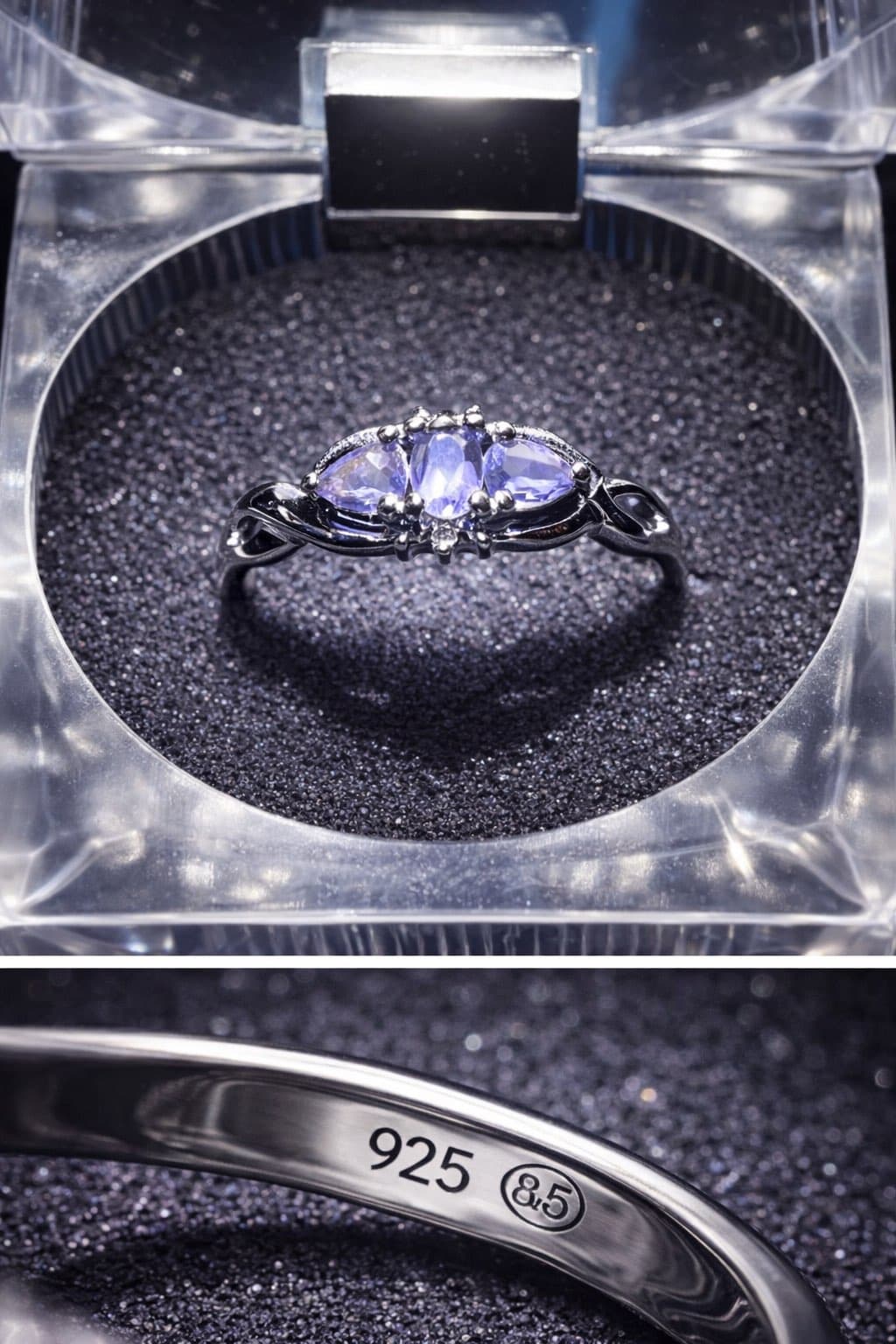


Tanzanite is renowned for its striking blue-violet hue, a result of its unique trichroism, which displays different colors when viewed from different angles. With a hardness of 6 to 7 on the Mohs scale, it is relatively durable and often cut into various shapes to enhance its vibrant color.
Price History
Quality Tiers
Listings
Specimen Data
Value Drivers
Carat weight significantly influences Tanzanite pricing, with larger stones commanding higher prices per carat. The median price per carat is $766, while the price range from $36 to $888 illustrates the premium placed on larger, higher-quality specimens.
Color is a critical factor in Tanzanite pricing, with the most desirable shades being deep, vivid blue with violet undertones. Stones that exhibit a pure blue color, particularly those from Tanzania, tend to fetch the highest prices.
Clarity plays an important role in Tanzanite pricing, as higher clarity stones are rarer and more sought after. While some inclusions may be tolerated, eye-clean stones significantly enhance value.
The cut of a Tanzanite affects its brilliance and overall appearance, with well-executed cuts maximizing light performance. Fancy shapes and high-quality cuts can elevate the price, especially in larger stones.
Market Dynamics
Currently, the supply of Tanzanite is predominantly sourced from Tanzania, accounting for 90% of the market. The limited geographic origin contributes to its rarity and desirability among collectors.
Demand for Tanzanite is driven by its unique color and rarity, appealing to both collectors and investors. The gemstone's popularity among designers for fine jewelry further fuels interest.
Recent auctions in the Mirerani trading hub have generated significant revenue, suggesting a robust demand for Tanzanite. This trend may lead to increased prices and heightened interest in the gemstone.
News
Insights
The median price per carat for Tanzanite is currently $766.
Larger Tanzanite stones typically command higher prices, with significant premiums for those over 5 carats.
Untreated Tanzanite from Thailand has been noted for its high market value, reflecting consumer preference for natural stones.
Recent auction results indicate a strong market demand, with over 993 million Tanzanian shillings generated in recent sales.
Due to cleavage and moderate hardness, tanzanite is best suited for occasional-wear rings or protected settings rather than hard daily wear.
Tanzanite has been added as a modern birthstone alternative for December, which supports its visibility in the consumer market.
Have a Tanzanite?
AI identification, grading, origin detection & market valuation