

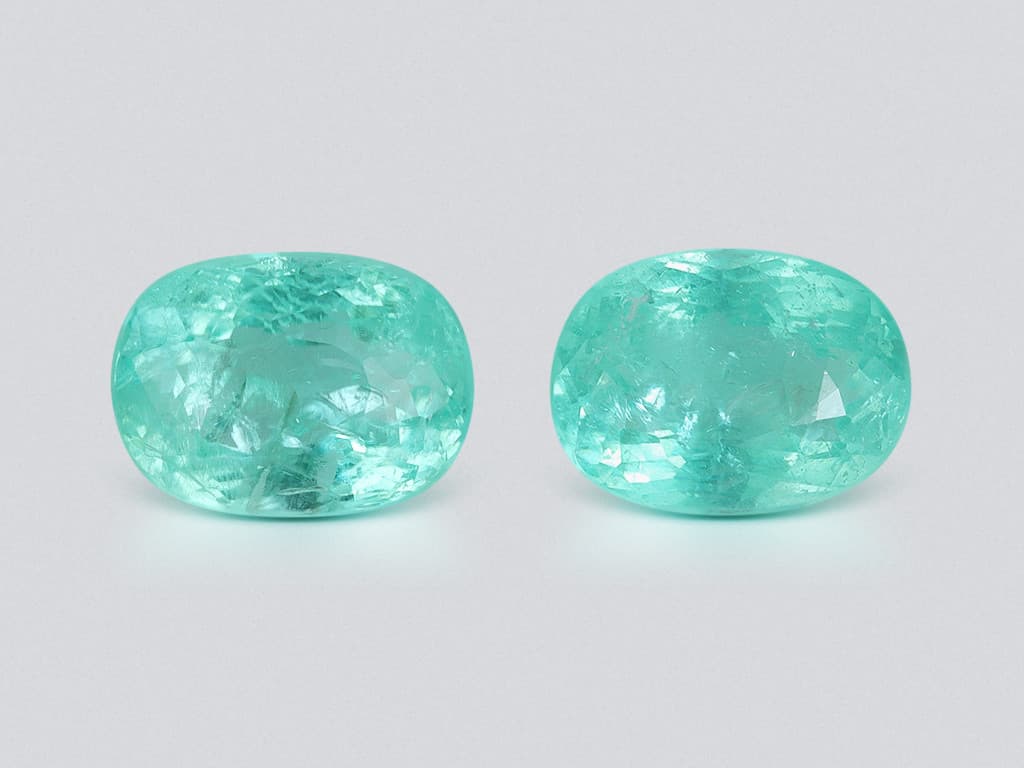


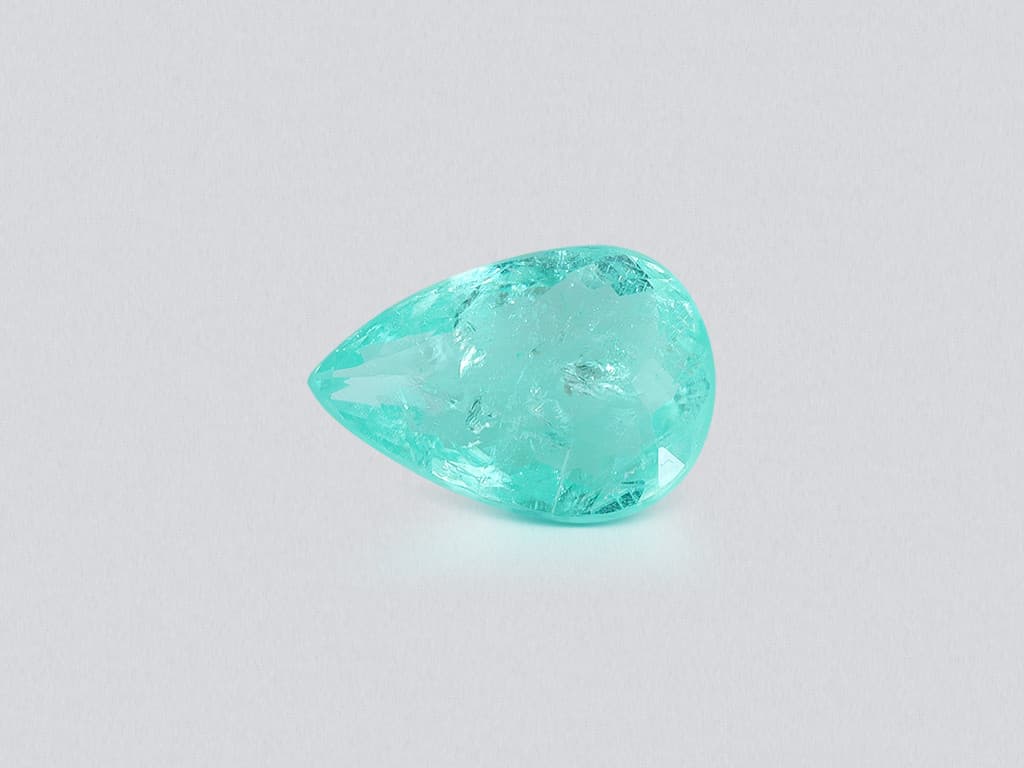
Tourmaline is a complex borosilicate mineral group with diverse compositions and a wide color range, including pink, red, green, blue, yellow, brown, black and bicolor or multicolor combinations. Varieties include rubellite (red), indicolite (blue), verdelite (green), ParaÃba-type (neon blue-green) and watermelon (pink-and-green zoned), among others. With Mohs hardness 7–7.5 and generally good toughness, tourmaline is suitable for most jewelry.
Price History
Quality Tiers
Listings
Specimen Data
Value Drivers
Carat weight significantly impacts value for rarer, highly saturated colors—such as fine rubellite, indicolite and ParaÃba-type stones. Small, commercial-quality tourmalines are common, but larger gems over 5–10 carats in top color and clarity are scarce and can command high prices.
Color is the primary value factor and varies by variety. Vivid, pure hues with strong saturation are most desirable: rich reds, intense greens, deep blues and neon copper-bearing blues/greens lead the market. Stones that are too dark, overly brownish, grayish or pale trade at lower values. Bicolor and parti-color stones are evaluated on the attractiveness and balance of their color zoning.
Tourmaline commonly contains inclusions, especially in rubellite and some greens. Eye-clean stones with good transparency are preferred, particularly in larger sizes. Moderate inclusions may be acceptable in stones with exceptional color, but heavy cloudiness or fractures reduce both beauty and durability.
Cut quality is important to manage pleochroism, color zoning and depth of color. Long emerald and oval cuts are common, aligned along the crystal's c-axis to optimize color. Well-cut tourmalines show lively brilliance and even color, while poor cutting can leave them overly dark or windowed.
Market Dynamics
Tourmaline is mined in many countries, including Brazil, Mozambique, Nigeria, Afghanistan, Pakistan, Madagascar and the United States. Production encompasses a wide range of colors and qualities, from abundant commercial material to rare, fine-color stones from specific localities.
Demand is robust and diversified. Mid-range jewelry relies on green, pink and multi-color stones, while collectors and high-end brands compete for rare rubellites, indicolites and ParaÃba-type tourmalines.
Recent Trends: strong interest in unique colors and bi- or tri-color stones, with ongoing high demand for copper-bearing ParaÃba-type material.
News
Insights
Tourmaline is strongly pleochroic; face-up color can change depending on how a stone is oriented during cutting.
The name 'tourmaline' comes from the Sinhalese word 'turmali,' historically used for mixed stones of various types.
Watermelon tourmaline slices, showing pink centers and green rims, are popular in artistic and bohemian-style jewelry.
Many tourmalines are heated or otherwise treated to enhance color, particularly in pinks and reds; copper-bearing stones are commonly heated as well.
Because of its durability and broad color range, tourmaline is a staple of colored-stone jewelry collections.
Some black tourmaline (schorl) is popular in metaphysical markets as a protective stone but has limited value as a faceted gem.
Have a Tourmaline?
AI identification, grading, origin detection & market valuation