Turquoise
USA, China, Iran · 9 specimens · 5.8ct avg

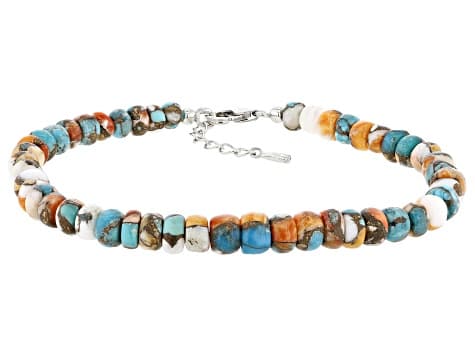


Turquoise is renowned for its striking blue to green hues, which can vary significantly based on its mineral content. It is relatively soft, with a hardness of 5 to 6 on the Mohs scale, and is commonly found in cabochon cuts, although beads and other shapes are also popular.
Price History
Listings
Specimen Data
Value Drivers
Carat weight plays a role in pricing, with larger stones commanding higher prices per carat. The distribution shows a wide range, with prices from $6 to $300 per carat, indicating that size can significantly influence value.
Color is a critical factor for turquoise, with the most desirable stones exhibiting a vibrant, even blue. Variations such as greenish hues or uneven coloring can lead to lower prices.
Clarity impacts pricing, though turquoise can tolerate more inclusions compared to other gemstones. Stones with fewer visible inclusions are generally more sought after and can command higher prices.
The cut of turquoise affects its appeal and pricing, with well-shaped cabochons typically fetching higher prices. Unique shapes or custom cuts may also enhance value.
Market Dynamics
The current supply of turquoise is diverse, with notable origins including India, Thailand, and the Southwest USA. The distribution suggests a healthy variety of sources, although the market can be affected by geopolitical factors.
Demand for turquoise is driven by its cultural significance, particularly in Native American jewelry, as well as its appeal among collectors and designers. The gemstone's unique color and historical associations continue to attract interest.
The turquoise market is currently experiencing fluctuations due to broader economic factors, including tariffs impacting related industries. As the diamond market adjusts, there may be indirect effects on turquoise pricing and availability.
News
Insights
The median price per carat for turquoise is $50, while the mean price is significantly higher at $135.
Top origins for turquoise include India, Thailand, and the Southwest USA, highlighting a diverse sourcing landscape.
The price range for turquoise is notably broad, with a P10–P90 spread from $6 to $300 per carat.
Heated turquoise from India tends to dominate the market, often fetching higher prices due to enhanced color.
Turquoise is sensitive to skin oils, perfumes and cosmetics, which can darken or discolor the stone over time; careful wear and cleaning prolong its appearance.
Because of the prevalence of dyed howlite and magnesite imitations, gemological testing and trusted sourcing are important in the turquoise trade.
Have a Turquoise?
AI identification, grading, origin detection & market valuation