Zircon
Cambodia, Sri Lanka · 29 specimens · 8.7ct avg
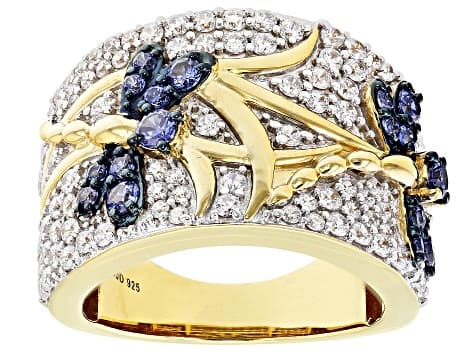


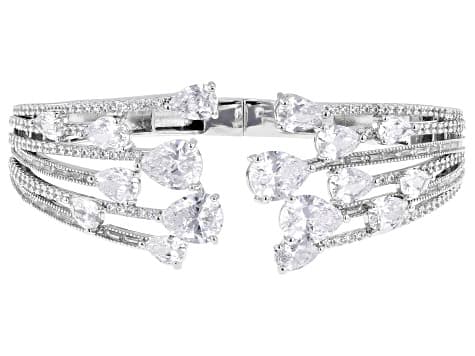
Zircon is known for its remarkable range of colors, including blue, green, yellow, and colorless varieties. It boasts a high level of brilliance and fire due to its strong dispersion, and its hardness of 6 to 7.5 on the Mohs scale makes it suitable for various jewelry applications. Common cuts include round, oval, and cushion shapes, enhancing its visual appeal.
Price History
Quality Tiers
Listings
Specimen Data
Value Drivers
Carat weight significantly influences Zircon pricing, with larger stones typically commanding higher prices. The median price per carat is $942, while the price range spans from $7 to $1,416, indicating that size can lead to substantial value increases.
Color plays a crucial role in determining Zircon's value, with vivid blue and green shades often fetching premium prices. Colorless Zircon can also be highly sought after, particularly when it mimics the appearance of diamonds.
Clarity affects Zircon pricing, with stones that exhibit fewer inclusions generally valued higher. While some inclusions are tolerated, particularly in larger stones, clarity remains an important factor for collectors.
The quality of the cut influences Zircon's brilliance and overall appeal, with well-cut stones displaying superior light performance. Shapes that maximize the stone's natural beauty tend to command higher prices.
Market Dynamics
The current supply of Zircon is primarily sourced from China, Thailand, and India, with these regions accounting for the majority of available stones. The distribution indicates a stable supply chain, though fluctuations in demand may impact availability.
Demand for Zircon is driven by its appeal as an affordable alternative to more expensive gemstones, as well as its use in designer jewelry. Collectors appreciate its unique colors and historical significance, contributing to a steady interest in the market.
Recent market activity shows a growing interest in colored gemstones, including Zircon, as consumers seek distinctive pieces. Additionally, supply disruptions in related markets, such as jade, may shift some attention toward Zircon as a viable investment.
News
Insights
The mean price per carat for Zircon is currently $650, indicating a diverse pricing landscape.
Zircon's price range highlights significant variability, with some stones priced as low as $7 per carat.
China is the leading source of Zircon, contributing to 39% of the market's supply.
The popularity of Zircon is rising among collectors, particularly for its unique color variations and affordability compared to other gemstones.
Because zircon can abrade at facet edges with wear, protective settings and occasional repolishing help maintain its appearance in rings.
Colorless zircon has historically been a popular diamond simulant in antique jewelry, especially in the 19th century.
Have a Zircon?
AI identification, grading, origin detection & market valuation